Source High Power Ultrasonic Cleaning Transducer for Industrial, Medical, and Lab Use
Find 30 high power ultrasonic cleaning transducer options with varying frequencies and power ratings. Compare specifications like 28kHz, 40kHz, and 135kHz models from manufacturers in China to select the right component for your cleaning system.
Key considerations
Products List


$500000.00 - $1000000.00
Moq: 1


Comprehensive Sourcing Guide
High Power Ultrasonic Cleaning Transducer Sourcing Guide
Sourcing high power ultrasonic cleaning transducers requires a disciplined approach to technical verification and supplier qualification. These components are the heart of ultrasonic cleaning systems, converting electrical energy into mechanical vibrations that create cavitation bubbles to remove contaminants from parts. Buyers must navigate a market where specifications vary significantly, from standard 28kHz units to high-frequency 135kHz variants, each serving distinct industrial needs. The following guide provides evidence-based procurement strategies to ensure you select components that match your operational requirements and quality standards.
The procurement process begins with understanding the specific application environment, whether it involves delicate electronics, heavy industrial machinery, or medical instruments. High power transducers are not one-size-fits-all; they must be matched to the tank size, cleaning solution chemistry, and required cleaning intensity. This guide focuses on verifying critical technical parameters, ensuring regulatory compliance, and establishing robust commercial terms to mitigate supply chain risks. By adhering to these structured verification steps, buyers can secure reliable components that maintain performance over time and reduce downtime in production environments.
Product Scope and Observed Listing Signals
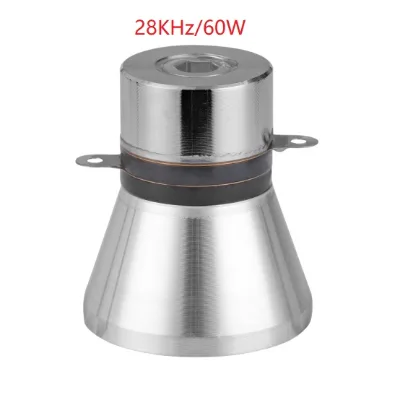
The current market for ultrasonic transducers exhibits a wide range of power outputs and frequencies, reflecting diverse industrial applications. Observed listings indicate power ratings spanning from 50W to 60W, with some configurations supporting up to 100W, while frequency options include 28kHz, 40kHz, and high-frequency variants at 135kHz. These variations are critical for buyers to understand, as lower frequencies like 28kHz typically provide more aggressive cleaning action suitable for heavy-duty industrial parts, whereas higher frequencies offer finer cleaning for sensitive components. The presence of both customized and non-customized options suggests that buyers can tailor transducer dimensions and electrical characteristics to specific tank designs.
Listing signals also reveal important details about packaging and origin, which impact logistics and quality assurance. Products are commonly packed in boxes or cartons, indicating standard industrial packaging practices that protect the ceramic elements during transit. The majority of observed products originate from China, with specific manufacturing hubs noted in Shenzhen and Zhejiang province. This geographic concentration suggests a mature supply chain ecosystem, but it also necessitates rigorous due diligence to ensure consistent quality control. Buyers should note that while some listings mention high-pressure features, these claims must be verified against actual operational data to ensure they align with the intended cleaning process.
Technical Specifications to Verify
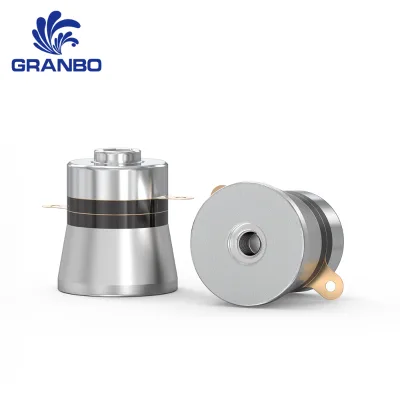
Verifying the electrical and mechanical specifications of ultrasonic transducers is paramount to ensuring system compatibility and performance. Key parameters to confirm include the operating frequency, power rating, and capacitance values, which directly influence the efficiency of energy transfer. For instance, transducers with a capacitance of 3800PF or 5200±10%PF must be matched with generators that can handle these specific electrical loads to prevent damage or inefficient operation. Additionally, the ceramic diameter and height dimensions, such as 38mm diameter with 85mm height or 45mm radiating surface with 52mm height, must align with the physical constraints of the cleaning tank to ensure proper mounting and acoustic coupling.
The output signal type and production process are also critical technical factors that affect reliability and integration. Most observed transducers utilize a digital output signal type, which simplifies integration with modern control systems, but buyers should confirm whether analog options are available if their existing infrastructure requires them. The production process, often involving ceramics, determines the durability and acoustic properties of the transducer. Buyers should verify the connection screw specifications, such as M10*P1.0, to ensure compatibility with mounting hardware. Furthermore, the weight of the component, ranging around 542g for certain models, impacts the structural design of the cleaning tank and must be accounted for in the overall system engineering.
Compliance and Safety Documentation
Regulatory compliance is a non-negotiable aspect of sourcing industrial electronic components, and ultrasonic transducers are no exception. Buyers must ensure that suppliers provide valid certification documents, with RoHS and CE marks being the most commonly observed standards in the market. RoHS compliance indicates that the transducer is manufactured without certain hazardous substances, which is essential for environmental sustainability and adherence to international trade regulations. CE certification confirms that the product meets European health, safety, and environmental protection standards, which is particularly important for buyers operating in or exporting to European markets.
Beyond basic certifications, buyers should request detailed documentation regarding the manufacturing standards and quality management systems employed by the supplier. Standards such as ISO9000 indicate a structured approach to quality control, which can significantly reduce the risk of receiving defective units. It is also crucial to verify the condition of the products, ensuring they are new and not refurbished, as this affects longevity and performance. Buyers should ask for test reports or factory audit results that demonstrate the supplier’s ability to maintain consistent quality across production batches, thereby minimizing the risk of field failures.
Cost Drivers and Commercial Terms
Understanding the cost drivers associated with ultrasonic transducers helps buyers negotiate better commercial terms and avoid unexpected expenses. The primary cost factors include the power rating, frequency, and customization requirements. Higher power transducers and those with specialized frequencies, such as 135kHz, typically command higher prices due to the complexity of manufacturing and the specialized materials required. Customization options, such as specific dimensions or electrical characteristics, can also increase costs due to the additional engineering and tooling involved. Buyers should clearly define their requirements upfront to obtain accurate quotes and avoid change orders later in the procurement process.
Commercial terms, including minimum order quantities (MOQ) and payment conditions, play a significant role in the overall procurement strategy. Observed MOQs range from 1 to 100 units, offering flexibility for both small-scale testing and large-scale production runs. Buyers should leverage this range to negotiate favorable terms, such as volume discounts or extended payment periods, based on their projected demand. Additionally, the observed price range of $0.46 to $1,000,000 USD highlights the vast disparity in product value, emphasizing the need for precise specification matching to avoid overpaying for unnecessary features or under-specifying for critical applications.
Supplier Qualification and Quality Control
Supplier qualification is a critical step in mitigating supply chain risks and ensuring the long-term reliability of ultrasonic transducers. Buyers should conduct thorough due diligence on potential suppliers, verifying their manufacturing capabilities, quality control processes, and financial stability. This includes assessing their production facilities, particularly those located in key manufacturing hubs like Shenzhen and Zhejiang, to ensure they adhere to international quality standards. Buyers should also evaluate the supplier’s ability to provide technical support and after-sales service, which is essential for troubleshooting any issues that may arise during installation or operation.
Quality control measures implemented by the supplier directly impact the performance and lifespan of the transducers. Buyers should request information on the supplier’s testing procedures, including electrical performance tests, acoustic output measurements, and durability assessments. It is also important to verify the supplier’s ability to maintain consistent quality across batches, which can be indicated by their adherence to standards like ISO9000. Buyers should consider implementing incoming quality control checks upon receipt of goods to verify that the delivered products match the agreed-upon specifications, thereby catching any discrepancies early in the process.
Long-Term Procurement Checks
Establishing long-term procurement checks ensures that the relationship with suppliers remains productive and that the quality of ultrasonic transducers remains consistent over time. Regular performance audits of the delivered products help identify any trends in quality issues, such as increased failure rates or deviations from specified parameters. Buyers should maintain open communication with suppliers to address any concerns promptly and to collaborate on continuous improvement initiatives. This proactive approach helps to build a resilient supply chain that can adapt to changing market conditions and technological advancements.
Reviewing and updating procurement specifications periodically is also essential to ensure that the transducers meet evolving operational needs. As cleaning technologies and industry standards evolve, buyers may need to adjust their requirements for frequency, power, or compliance certifications. By staying informed about industry developments and maintaining a flexible procurement strategy, buyers can ensure that their ultrasonic cleaning systems remain efficient and effective. Regularly reassessing supplier performance and market options helps to maintain competitive pricing and access to the latest technological innovations, securing a long-term advantage in the procurement process.
FAQs
What frequencies are available for high power ultrasonic cleaning transducers?
Available frequencies include 25kHz, 28kHz, 40kHz, and 135kHz. These options allow selection based on specific cleaning requirements. Lower frequencies like 28kHz provide aggressive cleaning for heavy soils, while higher frequencies offer precision for delicate items. Matching the frequency to the application ensures optimal cavitation and cleaning efficiency for various industrial needs.
Can high power ultrasonic transducers be customized for specific applications?
Yes, customization is available for many high power ultrasonic transducer models. Buyers can request specific power outputs, such as 50W or 60W, and tailored frequencies. Customized designs allow for unique ceramic diameters and height specifications. This flexibility ensures the transducer integrates seamlessly into existing ultrasonic cleaning systems or specialized industrial equipment.
What certifications do high power ultrasonic cleaning transducers typically hold?
Many high power ultrasonic cleaning transducers hold CE and RoHS certifications. These certifications indicate compliance with European safety and environmental standards. Some products may also adhere to ISO9000 quality management standards. Verifying these certifications ensures the components meet regulatory requirements for international trade and safe operation in various industrial environments.
How is the power output defined for ultrasonic transducers?
Power output is typically defined in watts, with common ratings like 50W, 60W, or 100W. This specification indicates the energy delivered to the cleaning medium. Higher power levels generally provide more intense cavitation for faster cleaning cycles. Buyers should match the power rating to their tank size and soil type for effective results.
What materials are used in manufacturing ultrasonic transducers?
Transducers often use ceramics for the active element and aluminum for housing or radiating surfaces. The production process involves specialized ceramic manufacturing techniques. These materials ensure efficient conversion of electrical energy into mechanical vibrations. The choice of materials impacts durability, heat resistance, and overall acoustic performance in cleaning applications.
Where are high power ultrasonic transducers typically manufactured?
High power ultrasonic transducers are typically manufactured in China, with specific origins in Shenzhen and Zhejiang. These regions are known for their advanced electronics and transducer manufacturing capabilities. Buyers can source products directly from these locations, ensuring access to a wide variety of models and specifications tailored to global industrial demands.